 EN
EN

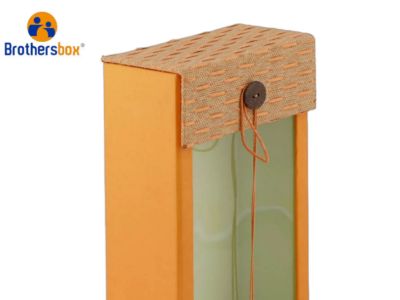
When it comes to wine, the packaging cardboard can be just as important as the wine itself. High-end wines deserve special boxes that not only protect the bottles but also show off their elegance and quality. At Brothersbox, we make these premium wine boxes using different materials that can enhance the experience of gifting or enjoying luxury wine. The materials we choose, such as wood, rigid board, and eco-friendly options, play a big role in how the box looks and feels. In this article, we will talk about how to choose the right wood for wine packaging and why eco-friendly materials are also a great choice for luxury wine boxes
How to Choose the Right Wood for High-End Wine Packaging
Choosing the right wood for wine rigid box is important for both beauty and protection because wood brings a sense of nature and warmth that makes the wine feel more special. When selecting wood, you want something strong but also visually appealing, with common types including oak, walnut, and mahogany. Oak is popular because it is sturdy and has a nice texture that can be stained to match the wine style. Walnut gives a darker and richer look, while mahogany is known for its warm red tones and smooth finish. The wood grain also plays an important role in the overall appearance, as attractive grain patterns enhance the box design. Thickness matters as well because thicker wood offers better protection, while thinner wood is lighter and easier to carry, so finding the right balance between strength and weight is important. Wood treatment is another factor, as moisture-resistant finishes help protect the wine, and engraving options can add a personalized touch. At Brothersbox, we carefully select high-quality woods to ensure both durability and elegance
What Makes Eco-Friendly Materials Ideal for Luxury Wine Packaging
Eco-friendly materials are becoming increasingly popular in wine packaging because they are both sustainable and visually appealing, which helps attract environmentally conscious customers. Materials such as recycled paper, bamboo, and biodegradable plastics are commonly used in premium packaging. Recycled paper is made from reused materials and can still be strong and beautifully printed. Bamboo is a fast-growing natural material that is both lightweight and durable, and biodegradable plastics break down over time, making them a more environmentally responsible option compared to traditional plastics. These materials can still look elegant and high-end while reducing environmental impact. At Brothersbox, we believe luxury packaging should not come at the expense of the environment, so we design eco-friendly wine boxes that combine style, strength, and sustainability
How to Ensure Durability in Premium Wine Box Materials
When creating high-end wine boxes and clamshell boxes, durability is very important because the packaging must protect valuable bottles during storage and transport. At Brothersbox, we focus on selecting strong materials such as hardwoods like oak and cherry, which provide excellent protection against impacts and long-term wear. Rigid board is also commonly used because it is lightweight yet strong and can be reinforced with additional layers for extra durability. We also carefully design closures and seals to protect against moisture and air exposure, using strong hinges and locks to keep the box secure. The finishing layer is equally important because varnish or laminate coatings help prevent scratches and damage while keeping the box looking new. All of these elements work together to ensure that our wine boxes are both elegant and long-lasting
Common Issues in Wine Box Material Selection and How to Avoid Them
When selecting materials for wine boxes, several challenges can arise, and at Brothersbox, we carefully address these to ensure high-quality results. One common issue is balancing strength and weight because boxes that are too heavy are difficult to carry, while boxes that are too light may not offer enough protection; this can be solved by combining materials such as a strong wooden frame with lighter, rigid board panels. Another issue is moisture sensitivity, since wine packaging must protect bottles from humidity, which is why we use treated materials that resist moisture absorption. Design flaws can also cause problems if boxes do not properly secure bottles, so we test all designs to ensure both safety and functionality. Cost is another consideration because while high-quality materials may be more expensive, they provide better long-term value by reducing damage and improving customer satisfaction
How Wholesale Buyers Can Benefit from Custom Wine Box Materials
Wholesale buyers can gain significant advantages from using custom wine box materials because customization allows them to align packaging with their brand identity and target market. At Brothersbox, we help buyers choose materials, colors, and designs that reflect their brand image, such as eco-friendly packaging for organic wine brands or luxury finishes for premium products. Custom wine boxes also improve product protection by allowing buyers to select materials best suited for transport and storage, reducing the risk of damage and increasing customer satisfaction. In addition, customized packaging enhances branding by incorporating logos, colors, and unique design elements that make products more recognizable in the market. Special features such as compartments or personalized messages can further enhance the customer experience. Ultimately, custom wine box materials are not just packaging but a powerful tool for branding, protection, and customer engagement.
Table of Contents
- How to Choose the Right Wood for High-End Wine Packaging
- What Makes Eco-Friendly Materials Ideal for Luxury Wine Packaging
- How to Ensure Durability in Premium Wine Box Materials
- Common Issues in Wine Box Material Selection and How to Avoid Them
- How Wholesale Buyers Can Benefit from Custom Wine Box Materials